Joining a Coven: A Guide for Novice Witches
As you venture further on your witchy path, one of the decisions you might face is whether to join a coven. Covens can offer incredibly valuable benefits, especially for novice witches. However, it’s crucial to approach this decision with care and a clear understanding of what’s involved. Joining a coven that doesn’t align with your personal values can lead to a range of complications and negative experiences. Here, we’ll explore the benefits and potential drawbacks of coven membership and provide guidance on how to navigate the coven landscape safely and positively. We’ll also touch on important considerations around age, boundaries, and consent.
Understanding Covens
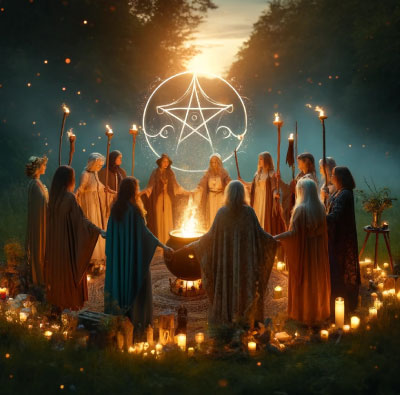
A coven is a group of witches that comes together for rituals, spells, and sabbats, usually under the guidance of more experienced practitioners, often referred to as the High Priest and/or High Priestess. Covens can vary greatly in terms of their beliefs, practices, hierarchy, and dynamics. Finding the right coven is akin to finding a second family; it requires alignment in spiritual beliefs, personal values, and mutual respect.
Benefits of Coven Membership for Novice Witches
The benefits of becoming a part of a well-aligned, supportive coven are numerous. Membership in a coven can greatly enrich a witch’s practice, providing a structured environment for learning and growth, as well as emotional and spiritual support. Here’s a detailed look at the benefits that coven membership can offer:
1. Structured Learning and Mentorship
Covens often have established methods for teaching The Craft to new members, ranging from structured classes and initiations to more informal mentorship arrangements. This organised approach can be incredibly valuable for novice witches who are still learning the basics of spell craft, ritual conduct, and magickal ethics. Experienced practitioners or leaders within the coven can serve as mentors, offering guidance based on years of practice. This mentorship can help you avoid common pitfalls and accelerate your learning process by sharing insights and experiences.
2. Community and Belonging
One of the greatest benefits of coven membership is the sense of community and belonging it provides. Witchcraft can sometimes be a lonely path, and the feeling of isolation can be mitigated by joining a coven. Being part of a coven means having a group of like-minded individuals who understand the challenges and joys of walking a magickal path. This community can offer emotional support, understanding, and camaraderie that may be hard to find elsewhere.
3. Access to Shared Resources
Covens often have collective resources that can be invaluable to members, especially those who are just starting out. These can include libraries of esoteric books, supplies for rituals and spells, shared sacred spaces, and even access to special training or workshops. For those who may not have the financial means to accumulate all the desired tools and books, these resources can be such a blessing!
4. Enhanced Magickal Power
There is a saying in many magickal traditions: “The sum is greater than its parts.” This can be particularly true in group ritual and spell work. When a coven performs rituals together, the combined energy and synchronised intent of all its members can significantly amplify the power of the magick being worked. This can lead to more effective spells, stronger protections, and more significant spiritual experiences.
5. Participation in Group Rituals
Covens regularly conduct group rituals which are not only powerful but also deeply enriching from a spiritual perspective. Participating in these group rituals can provide experiences that may be harder to achieve alone. These rituals often mark important astrological events or traditional pagan holidays, aligning the group’s practices with the natural cycles of the earth and the cosmos.
6. Accountability and Motivation
Being part of a coven can help motivate you to stay engaged with your spiritual practice. Covens typically meet regularly for rituals, training sessions, and social gatherings. Having a schedule of activities and the expectation of participation can encourage members to delve deeper into their practice and continue growing. Additionally, covens can provide accountability, a factor that can be particularly helpful in maintaining discipline in your spiritual practice and ensuring you stay on an ethical path.
7. Opportunities for Personal Growth
The dynamics of working within a group also offer numerous opportunities for personal growth. Interaction between coven members requires communication, compromise, and the occasional resolution of conflict. These interactions can foster significant personal development, enhancing skills such as empathy, listening, and assertiveness. Furthermore, taking on roles within the coven, such as leading a ritual or organising an event, can build confidence and leadership skills.
The Risks of Joining the Wrong Coven
As we’ve seen, joining the right coven can bring numerous benefits! Conversely, joining the wrong coven can be risky, detrimental, or even dangerous. Let’s have a look at the potential pitfalls.
1. Spiritual Misalignment
Joining a coven that doesn’t align with your spiritual beliefs can hinder your personal growth and lead to spiritual disillusionment. For example, if you are drawn to a nature-centric, gentle practice but join a coven that focuses on more aggressive forms of magick, the discord can impact your spiritual wellbeing and shake your faith in your path.
2. Peer Pressure
Covens, like any group, can exert a significant influence over their members. There can be pressure to conform to the group’s norms and practices. For a novice witch, who is still exploring The Craft and establishing personal boundaries, this can lead to uncomfortable situations where you might feel pressured to participate in rituals or practices that do not sit well with your personal ethics or comfort levels. And, as the group dynamic of a coven spell can increase its power, as a member of that group, you share the responsibility for its outcome. If you allow yourself to be pressured into practices that go against your personal ethics, you will also share in any backlash that may come from those practices.
3. Group Dynamics and Power Structures
Every coven has its own set of dynamics and power structures, and unfortunately, not all are healthy. Some covens might have rigid hierarchies that leave little room for questioning or personal exploration. For a beginner, such an environment can be intimidating and stifling, rather than nurturing and supportive.
4. Potential for Abuse
In the worst cases, there are covens that manipulate and exploit members, especially those who are new and vulnerable. Unethical leaders might misuse their authority for personal gain, be it power, s*xual, or financial. This can lead to significant emotional and spiritual harm. For example, skyclad (nude) rituals are part of some traditions, as is s*xual magick (although many covens use symbolic acts for this, rather than actual s*xual acts). While these practices are not inherently abusive (many solitary witches incorporate them into their solo practices), they may be open to abuse by unethical covens or leaders.
5. Loss of Personal Autonomy
Joining a coven often requires a certain level of commitment and adherence to group rules. This can sometimes lead to a loss of personal autonomy in your spiritual practice, where the coven’s way becomes the only way. For someone just starting out, it’s important to develop personal discernment and confidence in your own magickal abilities.
How to Safely Navigate the Coven Landscape
1. Research Thoroughly
Before joining any coven, do thorough research. Attend public coven events if the coven hosts any, and speak to current and past members about their experiences. Look for any red flags such as members displaying discomfort when discussing their experiences or evasiveness in answering basic questions. Of course, there will be secret knowledge and practices they won’t be able to disclose if you’re not a member. However, if they are inviting you to join, a good coven will aim to ensure that you understand their values and practices enough to make an informed decision about membership. They will want you to be a good fit for the coven and vice versa, not just for your good, but for the good of the coven itself.
2. Trust Your Instincts
Always listen to your gut. If something feels off, it probably is. Unless you grew up in a pagan household, you will likely be breaking from convention, so a certain amount of trepidation or nervousness is normal. However, you should always feel safe, respected, and valued by your coven, especially by its leaders. If you are feeling exploited, or your gut feeling is telling you to run, listen to it!
3. Set Clear Boundaries
Know your boundaries before you start visiting or joining covens. Decide what you are and are not willing to participate in, and communicate these boundaries clearly. A respectful group will honour them without pressure or judgment.
4. Take Your Time
There’s no need to rush into joining a coven. Take your time to attend different events and meet with various groups. Witchcraft is a deeply personal practice, and finding the right community can take time.
5. Consider Over-Eagerness a Possible Red Flag
Covens can be very welcoming and excited to meet new potential members. Sometimes, the process of joining a coven can flow very easily, if they feel that a potential member is just a really great fit. There is nothing wrong with that. However, a coven (or coven members) being excessively eager to get you to join can also be a red flag; for example, offering initiation immediately when they hardly know you, or you’ve barely had a chance to get to know them.
This may be more understandable if it’s a brand-new coven that hasn’t established itself yet. However, for established covens, not considering the impact of new initiates can indicate poor leadership, or may be a sign of ulterior motives. Think of it this way: If someone invited you to become a member of their family without getting to know you, or without you getting to know the members of that family, wouldn’t you think it was odd? As I said above, a good coven with the right intentions will be committed to making sure you are a good fit for them, as much as they are for you.
6. Stay Informed
Educate yourself about the signs of healthy versus unhealthy group dynamics. Knowing the signs of manipulative behaviours and understanding healthy leadership can protect you from getting into a harmful situation.
7. Don’t Be Afraid to Walk Away
To a novice witch, there can be a lot of excitement around any offer to join a coven, so much so you may be tempted to ignore any misalignments or red flags. However, you have to consider membership carefully. If you realise that a coven doesn’t align with you or are expecting participation that goes against your personal boundaries, wish them well and continue on your way. That particular coven may simply not be the right fit for you. If so, joining would be a disservice to both yourself and them.
Age, Boundaries, and Safeguarding
One final point that’s important to mention is age and life-stage boundaries. Responsible groups, regardless of tradition, tend to have clear policies around age, consent, and safeguarding. These boundaries exist for good reason. They help protect younger practitioners, reduce power imbalances, and ensure that spiritual training happens in an appropriate and supportive environment.
If a group is vague about age requirements, dismissive of safeguarding concerns, or overly eager to involve very young people in close-contact spiritual work, that should give you pause. A healthy coven will prioritise safety, informed consent, and the wellbeing of all members over numbers, ego, or recruitment.
Finding the right coven can be an enriching experience, but it’s never something you need to rush. You are not obligated to join any group, no matter how exciting the offer may seem. Solitary practice can be just as powerful and fulfilling, especially while you’re learning to trust your instincts and build confidence in your own abilities.
Whatever path you choose, let your inner wisdom guide you. There is no finish line here. Witchcraft is a lifelong practice, and you’re allowed to take your time.